How is AI shaping the future of museums?

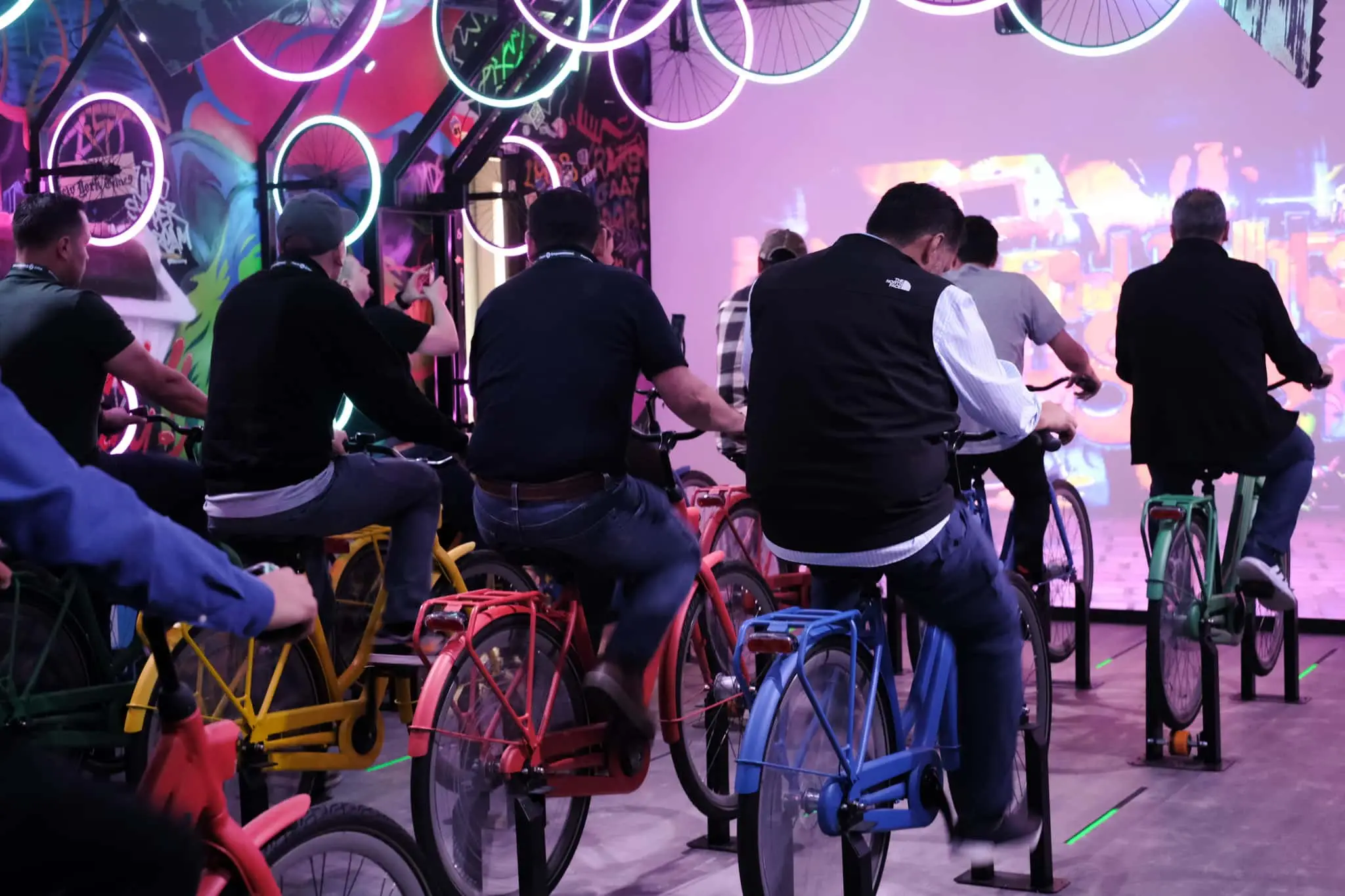
Museums have always focused on preserving the past, but places like the Highlights of Holland Interactive Experience show that they are also becoming spaces where technology shapes how we experience culture in the present. Instead of simply observing history from a distance, visitors now step right into it. Through light, sound, movement, and digital storytelling, the way we engage with culture is being reshaped, with artificial intelligence quietly playing a supporting role in that transformation.
Would you like to see how this works throughout the entire visitor journey? Discover “Interactive Experience Amsterdam: Step into Highlights of Holland.”
AI is helping to shape the future of museums by making cultural experiences more interactive, immersive, and responsive. At Highlights of Holland, digital tools enhance storytelling through light, sound, movement, visual effects, and interactive elements that invite visitors to participate rather than simply observe. Rather than replacing human creativity, AI collaborates with artists, designers, and developers to create new ways to experience history, art, and culture.
Use of AI at Highlights of Holland
One of the most striking examples is the interactive photo booth experience in the Kunstkamer, where digital tools can transform your photo into a painting. Instead of standing in front of art, visitors briefly become part of it. It’s a playful shift in perspective that reflects a broader idea: museums are no longer just about observing creativity, but about participating in it.
This concept is further explored in the Mystic Museum room. Classic Dutch artworks are reinterpreted through digital imagery and atmospheric design, making the paintings appear to move and engage in conversation with one another through their frames.
As visitors move through spaces such as the tulip experience, the environment responds with flowing light, shifting colors, and carefully designed soundscapes that create the illusion of being immersed in a living, dreamlike world.
This shift away from passive observation is one of the biggest differences between immersive attractions and more conventional cultural spaces. To explore that contrast in more detail, read “Highlights of Holland vs. Traditional Museums: What Makes It Different?”
AI Behind the Scenes
It is important to note that this reactivity is not AI that “decides” what happens autonomously in real time. Instead, it is the result of carefully programmed systems designed by artists, developers, and experience designers, in which light, sound, and timing are choreographed to work together seamlessly.
That said, AI still plays an important supporting role in how experiences like these are created. During the design phase, AI-powered tools can help generate visual concepts, test lighting compositions, and simulate immersive environments before they are physically built. This allows creators to experiment more freely and push the boundaries of what spatial storytelling can look and feel like.
AI can also improve the visitor experience behind the scenes. By analyzing general patterns in movement and engagement, designers can better understand how people interact with exhibitions. These insights can help improve the flow, reduce congestion, and create a smoother, more intuitive experience.
The Digital Shift in Museums
Technology is transforming museums from places of observation into places of participation. The future of museums is not just about presenting information; it’s about creating experiences that visitors can feel, explore, and remember.
- From viewing to experiencing: AI helps museums transform visitors from observers into active participants.
- Compelling Storytelling: Digital tools combine visuals, sound, and interaction to bring stories to life.
- Commemorating History and Art: Technology Creates New Ways to Experience Culture and Heritage.
- Supporting human creativity: AI helps artists and designers explore new ideas and possibilities.
- Improving the visitor experience: Data insights help create smoother and more engaging journeys.
- Making Museums More Accessible: Interactive Experiences Connect with a Broader Audience and Different Learning Styles.
- Connecting the physical and digital worlds: Future museums will blend real-world environments with digital experiences.
- Putting People First: Technology enhances storytelling, but emotion, creativity, and human connection remain at the heart of museums.
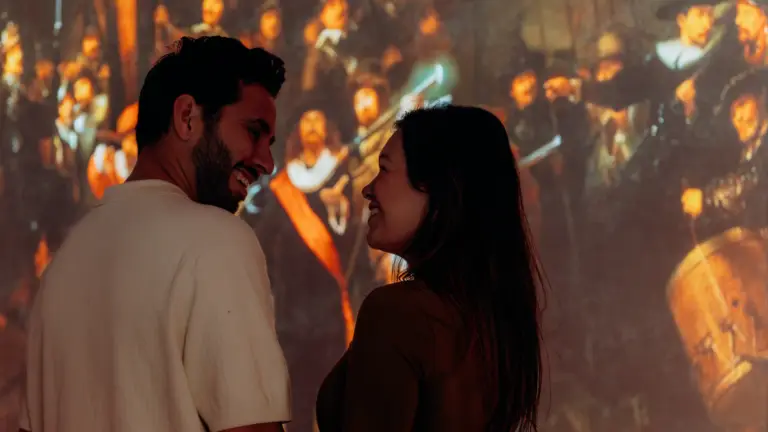
The future of museums revolves around the visitor experience
In that sense, the experience reflects a broader shift taking place in cultural spaces. Technology does not replace creativity, but rather expands it. AI and digital tools are becoming instruments that support the human imagination, enabling artists and designers to reinterpret cultural heritage in ways that feel vibrant, multifaceted, and compelling.
Ultimately, “Highlights of Holland” shows that the future of museums isn’t about AI taking over the experience, but about technology making it more vibrant. Museums are evolving into spaces where culture isn’t just displayed but felt, where visitors don’t just learn about the Netherlands but step right into it, reinterpreted on a larger-than-life scale. The museums of tomorrow will go beyond simply presenting information and become spaces where visitors can explore, connect, and create meaningful memories, transforming culture from something we observe into something we experience.